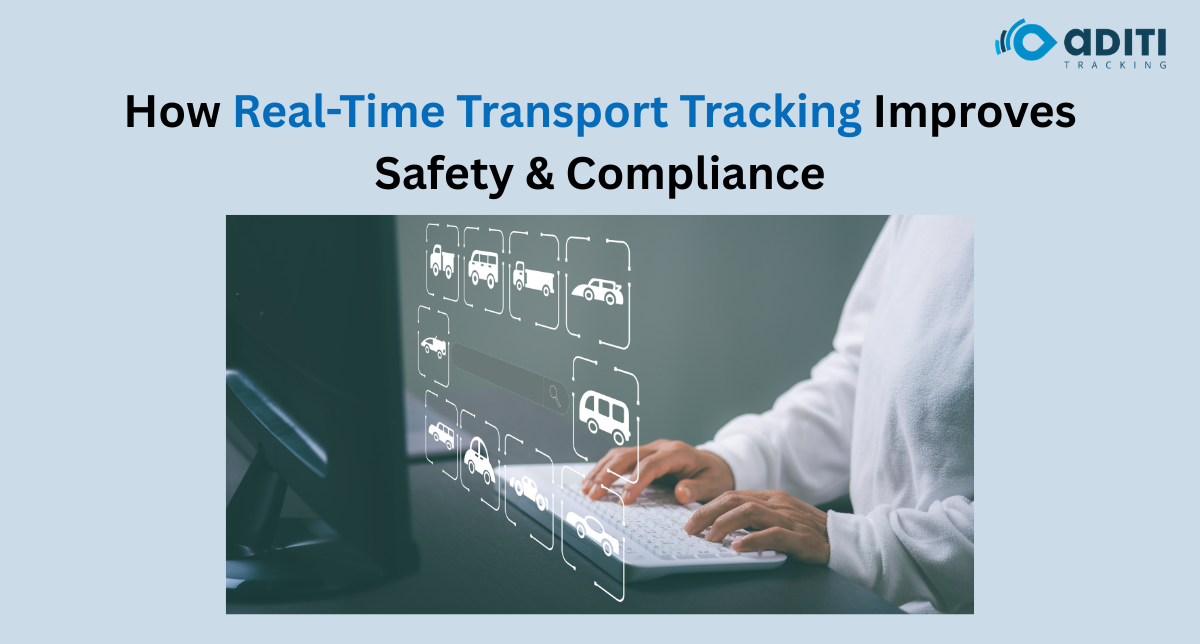
Who is responsible when something goes wrong during an employee’s commute on a company-provided cab?
The company. Not the driver. Not the vendor. The company. And yet, most Indian corporations still run employee transport operations on spreadsheets, driver phone calls, and a prayer that everyone reaches home safely. Without proper employee transport management software, the organisation is exposed on two fronts: safety of its people and compliance with regulations that keep getting stricter.
The Compliance Pressure That Isn’t Going Away
India’s regulatory environment around employee transport has been tightening since the Nirbhaya case prompted state-level mandates on women’s safety during commutes. Karnataka, Maharashtra, Tamil Nadu, and Telangana all have guidelines now. Some are advisory. Some carry penalties. The direction is clear.
What Regulators And Clients Actually Expect
If you’re running transport for a tech park in Bengaluru or a BPO in Gurugram, the checklist has grown beyond just having a cab contract. Auditors and compliance officers now ask for specifics:
- Live GPS tracking of every vehicle carrying employees, with historical route data available for any date range
- SOS functionality accessible to the passenger, connected to a control room that actually responds
- Driver verification records including background checks, licence validity, and periodic re-verification
- Trip-level logs showing pickup time, drop time, route deviations, and employee safe-arrival confirmation
- Automated alerts when a vehicle strays from its route or stops unscheduled beyond a set threshold
That’s not a wish list from five years in the future. Multinational clients already include these as standard clauses in vendor agreements. Indian companies competing for the same talent pool are catching up because they have to. None of this is achievable through manual processes. You cannot generate auditable trip logs from WhatsApp messages. You cannot prove SOS response times when the “system” is a guard calling the driver’s personal phone. This is where employee transport management software stops being a nice-to-have and starts being an operational requirement.
Safety Isn’t A Policy Document. It’s a System.
Every large Indian company has a transport safety policy. Most of them live in a PDF on the HR portal. The gap between what the policy says and what actually happens at 11 PM when the last shift ends is where risk lives.
Real-time tracking changes the equation because it makes accountability continuous, not retrospective. When a control room operator can see every vehicle on a live map, three things happen that no policy document can achieve.
First, route deviations get caught as they happen. A cab taking an unusual turn at midnight triggers an alert. Someone investigates immediately, not the next morning when the employee has already filed a complaint or worse, didn’t file one because they were too shaken to bother.
Second, the driver knows they are being watched. This sounds blunt, but it matters more than people admit. Behavioral compliance improves when monitoring is visible and consistent, and every fleet operations manager in India will tell you the same thing off the record.
Third, incident response time drops from “whenever someone notices” to minutes. An SOS alert with a live location is fundamentally different from a phone call where a panicked employee tries to describe which road they’re on while the guard fumbles through a contact list. Employee transport management software with proper SOS integration turns a chaotic emergency into a structured response.
The Cost Of Not Having This
Companies evaluate transport tracking purely as a cost question. How much per vehicle per month. But compare that subscription to the cost of a single safety incident that could have been prevented.
One harassment complaint that reaches social media costs more in brand damage than a decade of software fees. One compliance audit failure with a Fortune 500 client can end a contract worth crores. One accident where the company cannot produce trip logs or driver verification records turns a tragedy into a legal nightmare.
The maths isn’t close. What’s changed is that the tools are now accessible to mid-sized companies, not just the Infosys and TCS tier. Employee transport management software has come down in cost and complexity enough that a 200-employee operation can run the same compliance infrastructure that a 20,000-employee campus does.
Conclusion
The window for treating employee transport as a logistical afterthought is closing. Regulations will tighten. Client expectations will rise. And the workforce, especially women on late shifts, will keep choosing employers who take commute safety seriously.
CommutePulse by Aditi Tracking helps businesses improve transport safety through live vehicle tracking, SOS response capabilities, route monitoring, driver accountability, and compliance-ready reporting.
Book a Free Demo or Contact Our Team Today to discover how CommutePulse can help your organisation build a safer, more transparent, and compliance-focused employee transportation ecosystem.
FAQs
1. What is employee transport management software?
Employee transport management software helps organisations manage corporate transportation through features such as real-time vehicle tracking, route optimisation, driver monitoring, employee notifications, SOS alerts, and compliance reporting.
2. How does real-time transport tracking improve employee safety?
Real-time tracking allows transport teams to monitor vehicles continuously, detect route deviations, respond quickly to emergencies, and ensure employees reach their destinations safely, especially during late-night shifts.
3. Why is transport compliance important for Indian businesses?
Many organisations must follow transport safety guidelines related to employee welfare, driver verification, trip monitoring, and women’s safety. Proper compliance helps reduce legal risks, meet client requirements, and improve employee trust.
4. What features should businesses look for in an employee transport management solution?
Key features include GPS-based live tracking, SOS alerts, driver verification records, route deviation monitoring, automated notifications, trip history, compliance reports, and employee safe-arrival confirmations.
5. How can CommutePulse help companies improve transport safety and compliance?
CommutePulse provides real-time vehicle visibility, automated safety alerts, SOS response capabilities, trip-level reporting, and compliance-ready documentation, helping organisations manage employee transportation more efficiently and securely.


 Smart Fleet
 Cool Bus
 Clicktask
 CommutePulse
 Wastetrail