
Truck slams on brakes on a highway. Your fleet manager gets an alert about it. But what caused it? The driver was overtaking? Someone jumped on the road. Or there was a sudden break on the highway.
A simple tracking report will tell you the speed at which your vehicle was running. It may not be able to tell you what happened on the road.
Video Telematics Reports help you figure out what happened. They give you access to videos of what transpired on the road and combine that with vehicle data.
With Video Telematics Reports you can gain insights on how your drivers drive. How to make them drive safer and keep a closer eye on them throughout the day.
Here are some points to look for in Indian fleets.
Video Telematics Reports
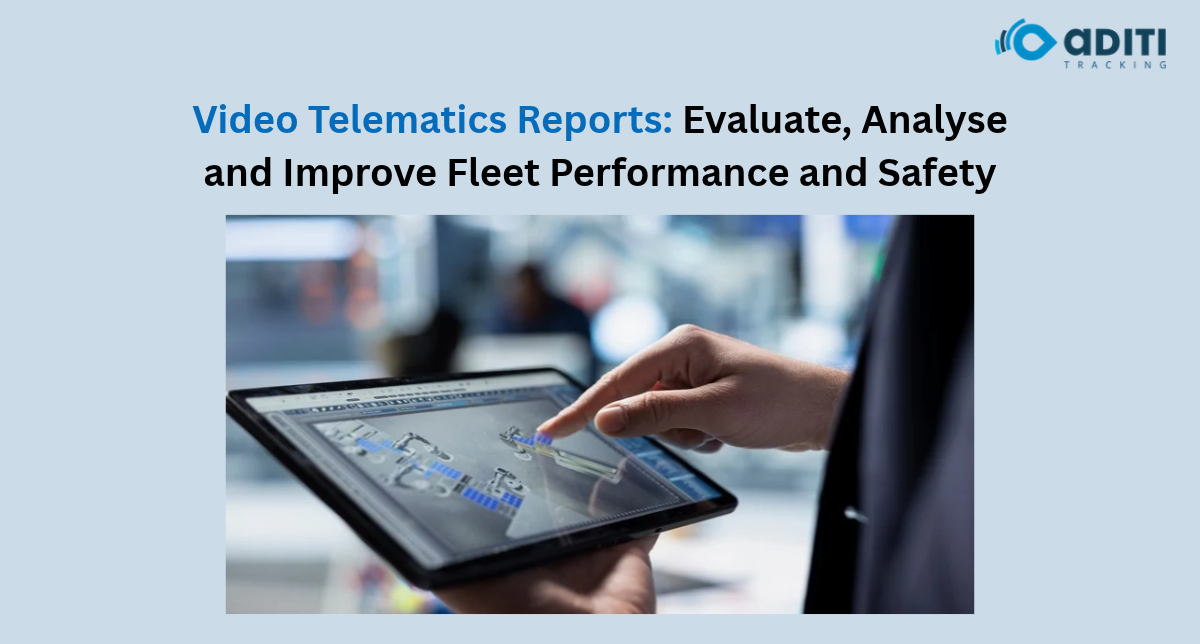
Video telematics reports will allow you to view information from your vehicle’s camera along with tracking information.
You can see what the vehicle was doing on the road. View videos of your vehicle while you also know the speed, location and when the incident took place.
There are many things that you can get from a video telematics report. Depending on your device.
- Videos of your vehicle driving
- Vehicle speed during an incident
- Vehicle Location
- Harsh Brake Events
- Quick Acceleration
- Past incidents of events on your vehicle
Not all devices offer video telematics. Some just record to an internal memory and others can give you event alerts.
Your vehicle’s ability to provide you with a video telematics report will vary.
Looking At Driver Reports
You can have your drivers deliver goods on time. And still they could be taking dangerous actions on the road.
Drivers who take excessive brake or accelerate quickly can be detrimental to your fleet. By looking at individual reports you may not learn all the factors.
Look At The Big Picture
Let’s say you have 2 drivers that are getting harsh brake reports.
Driver A is constantly slamming on the brakes at stop lights. Driver B slammed on the brakes because a car came into there lane.
If you only looked at their reports you may think both drivers are doing the same thing. With video telematics you can see that driver B had a car come into there lane and driver A was slamming on the brakes.
There are many things you can learn from looking at driver reports.
- How often they take harsh brakes or accelerate quickly
- What roads they are taking these actions on
- Road conditions
- If they have been trained on certain events
- Are they doing better than last week?
You can learn many things about your drivers by looking at video telematics reports.
Fleet Safety Reports To Keep An Eye On
There are many reports that you can receive from your fleet. Here are a few that you should look at.
Speeding
Speeding on the road can cause fatal consequences if something were to happen. If you notice your drivers are getting speeding reports. It’s a good idea to speak with them about this.
Harsh Brakes
Just like speeding you want to know why your drivers are slamming on the brakes. You can use video telematics to help you figure this out.
Incident Reports
If there was an accident you want to know what happened. With video telematics you can see what may have caused the incident. You can also use this to your advantage when speaking with insurance companies.
Driver Behaviour
Some video telematics devices can give you reports on your drivers behaviour.
Using Fleet Reports To Better Your Business
Now that you know about video telematics. What can you do to better your business?
If you notice a pattern of harsh braking on your drivers. Look at why they are happening. You can pull up the videos and see why your driver is slamming on the brakes. Maybe there is a construction zone on that road.
You can then change your drivers route to help prevent these harsh brake events.
Learn More About Your Drivers
Once you have identified a problem you can fix it. By learning about your drivers you can learn how to help them become better drivers.
Can You Lower Fleet Expenses With Video Telematics?
Yes you can lower your expenses by using video telematics.
By learning about your drivers you can see why they may be wasting gas. Driving too fast or accelerating too hard can waste gas.
With Video Telematics you can learn more about your drivers. Which will help you lower your expenses.
Make Sure Your Fleet Has What You Need
Just having a camera on your vehicle isn’t going to give you all the information you need. Make sure that your vehicle is able to provide you with video telematics reports.
Know what your cameras can do before you buy them.
Making Fleet Safety Decisions With Better Information
Fleet safety improves when managers understand the reasons behind driving incidents, not simply the number of alerts received.
Aditi Tracking provides GPS tracking and fleet management solutions, along with vehicle camera products. Businesses exploring video telematics can contact Aditi Tracking to discuss available camera and tracking options suited to their fleet requirements.
Frequently Asked Questions
1. What is the main purpose of video telematics reports?
They help fleet managers review driving incidents using camera footage and related vehicle data to understand safety risks.
2. Can video telematics detect dangerous driving?
Compatible systems may detect events such as harsh braking, speeding or certain driver behaviours, depending on their sensors and software.
3. Are video telematics reports useful for small fleets?
Yes. Even businesses with a few commercial vehicles can use suitable reporting systems to review incidents and improve driver supervision.
4. Can fleet cameras prevent road accidents?
Cameras cannot guarantee accident prevention. However, recorded footage and supported alerts can help businesses identify risks and improve driver training.
5. How often should fleet managers review safety reports?
High-risk incidents should receive timely attention. Regular weekly or monthly reviews can help identify repeated driving patterns and measure improvement.
 Smart Fleet
 Cool Bus
 Clicktask
 CommutePulse
 Wastetrail