
Introduction
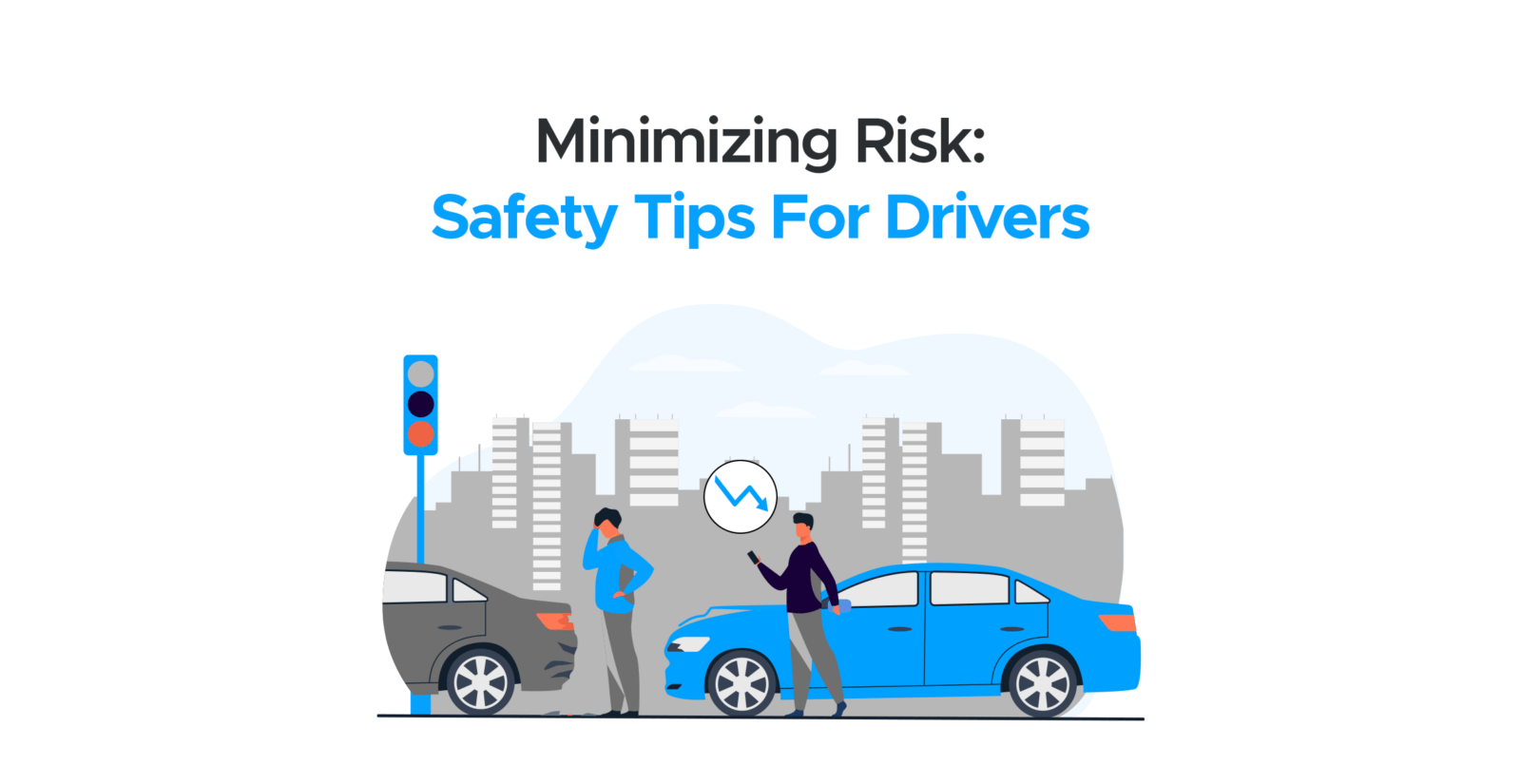
Driver safety is paramount for businesses relying on transportation. Implementing comprehensive safety protocols not only protects drivers but also reduces operational risks and costs. This guide provides essential safety tips for drivers to minimise risks on the road.
Why This Matters More Than Ever in India
Every fleet manager has had this thought at some point: “What if something goes wrong on a route I’m not watching?” Turns out, the numbers back that worry up.
In 2024, road accidents in India claimed 1,77,175 lives, that’s 56 accidents and 20 deaths every hour, according to the Ministry of Road Transport and Highways. And it’s not random bad luck causing most of it. Overspeeding alone was behind over 57% of those deaths, ahead of drunk driving, wrong-side driving, and phone use combined.
For a business running vehicles, that’s not just a safety statistic, it’s a direct line to your insurance premium, your downtime, and in a bad month, your legal exposure. The ten points below are the basics. But basics only work if someone’s actually watching whether they’re being followed, which is where the rest of this guide comes in.
Regular Vehicle Maintenance
- Routine Inspections: Conduct daily checks on tires, brakes, lights, and fluids.
- Scheduled Maintenance: Adhere to manufacturer-recommended service schedules to keep vehicles in optimal condition.
- Address Issues Promptly: Repair any identified issues immediately to prevent breakdowns or accidents.
Defensive Driving Techniques
- Stay Alert: Always be aware of your surroundings and anticipate potential hazards.
- Maintain Safe Distance: Keep a safe distance from the vehicle ahead to allow ample reaction time.
- Follow Speed Limits: Adhere to posted speed limits and adjust speed according to road and weather conditions.
- Avoid Distractions: Refrain from using mobile phones or other distractions while driving.
Proper Use of Safety Equipment
- Seat Belts: Ensure all occupants wear seat belts at all times.
- Mirrors: Adjust mirrors properly for maximum visibility.
- Safety Gear: Use appropriate safety gear, such as helmets for motorcycle riders.
Adverse Weather Conditions
- Slow Down: Reduce speed in rain, snow, fog, or other adverse weather conditions.
- Use Lights: Turn on headlights to increase visibility.
- Maintain Control: Avoid sudden movements and brake gently to prevent skidding.
Fatigue Management
- Rest Regularly: Take regular breaks to avoid fatigue, especially on long trips.
- Adequate Sleep: Ensure sufficient sleep before starting a journey.
- Recognize Signs of Fatigue: Be aware of signs of fatigue, such as yawning, heavy eyes, and decreased concentration, and take action by stopping to rest.
Avoiding Alcohol and Drugs
- Zero Tolerance: Never drive under the influence of alcohol or drugs.
- Medication Awareness: Be aware of the effects of prescription or over-the-counter medications on your driving ability.
Safe Loading and Unloading
- Weight Limits: Adhere to vehicle weight limits to maintain stability and control.
- Secure Loads: Ensure cargo is properly secured to prevent shifting during transit.
- Even Distribution: Distribute weight evenly to avoid overloading one side of the vehicle.
Emergency Preparedness
- Emergency Kit: Carry an emergency kit with essentials such as a first aid kit, flashlight, water, and basic tools.
- Know Procedures: Be familiar with emergency procedures and contacts.
- Communication: Have a reliable means of communication to call for help if needed.
Regular Training and Updates
- Ongoing Training: Participate in regular safety training sessions.
- Stay Informed: Keep up-to-date with the latest safety regulations and best practices.
- Feedback and Improvement: Encourage feedback from drivers on safety practices and continuously improve protocols.
Company Policies and Support
- Clear Policies: Ensure company policies on safety are clear and communicated effectively.
- Support Systems: Provide support systems, such as access to health and wellness programs, to promote overall driver well-being.
- Safety Culture: Foster a culture of safety within the organisation where safety is prioritised and valued.
Where GPS Tracking and Dashcams Actually Fit In
Here’s the honest gap in most safety policies: you can write down “avoid distractions” or “maintain safe distance” on a laminated sheet in the driver’s cabin, but you have no real way of knowing if it’s happening on a 400km route with no one watching. That’s not a training problem. It’s a visibility problem.
This is exactly what GPS tracking and dashcams solve, and it’s worth being specific about how, instead of just saying “technology helps”:
- You stop guessing and start seeing data. — Harsh braking, rash acceleration, overspeeding — these show up as events, not vague impressions. You’re not calling a driver based on a complaint; you’re showing them the exact moment and speed it happened.
- Alerts do the watching you can’t. — A geofence breach or a speed violation pings you the moment it happens, not after the trip log gets reviewed at the end of the week, by which point the risky pattern has probably repeated a few more times.
- A dashcam changes behaviour just by existing. — Drivers who know they’re on camera drive differently, plain and simple. And when something does go wrong, you’re not relying on two conflicting versions of events — you have footage.
- Fatigue stops being self-reported. — Instead of asking a driver “did you rest enough,” you can actually see continuous drive time and flag it before a 14-hour shift becomes a problem.
None of this replaces training or policy — it just closes the gap between what you’ve told drivers to do and what’s actually happening on the road.
| Aspect | Without Monitoring | With GPS + Dashcam |
|---|---|---|
| When you find out about a risk | After it’s reported or after an accident | As it happens |
| What you’re working with | A driver’s version of events | Time-stamped location data + video |
| How fast you can act | Days later, if at all | During the same trip |
The Compliance Side: AIS-140, Because It’s Not Optional Anymore
If you’re running commercial or public transport vehicles in India, AIS-140 compliant tracking isn’t a nice-to-have, several states have made it a requirement, mainly for panic-button access and real-time location during emergencies. Plenty of fleet owners find this out the hard way, at an RTO checkpoint, rather than before buying their devices.
But treat it as more than a box to tick. A properly certified AIS-140 device gives you the same real-time visibility you’d want anyway — it just happens to also keep you compliant. Worth checking with any provider: is the device actually certified, or just “compatible”? The two aren’t the same thing.
Conclusion
None of the ten points at the top of this guide are new information, most fleet owners already know them. The real difference between a safety policy that works and one that just exists on paper is whether anyone’s actually checking. GPS tracking and dashcams don’t replace good driving habits, they just make sure the gap between “policy” and “what’s happening on the road” stays small.
If you’re currently running on trust and hoping nothing goes wrong on the routes you can’t see, that’s the exact gap worth closing first.
Want to see this working before committing to it? Book a free demo, or run a small pilot on a few vehicles first.
Also Read: Best GPS Dashcam for Fleet Vehicles in India
Frequently Asked Questions
Do I really need GPS tracking, or is driver training enough?
Training tells drivers what to do. It doesn’t tell you whether they’re actually doing it once they’re out of sight. GPS tracking is how you close that gap — it’s not a replacement for training, it’s the accountability layer on top of it.
Is AIS-140 GPS tracking actually mandatory, or just recommended?
For public transport and most commercial vehicle categories, it’s mandatory in several states — not just a best practice. Worth confirming your device is certified before you’re asked for it at an inspection.
How is a dashcam supposed to reduce fatigue-related accidents? Isn’t that a separate issue?
Indirectly, yes — but it helps. Combined with GPS-based drive-time tracking, you get an actual record of how long a driver’s been on the road, instead of relying on them to tell you they’re tired.
Won’t drivers resent being monitored this closely?
Some initial pushback is normal, but it usually fades once drivers realise the same footage that can flag bad behaviour also protects them — from false accident claims, unfair blame, or a client disputing a delivery time. Framing it as being on their side tends to land better than presenting it as surveillance.
What’s the fastest way to see if this is worth it for a small fleet?
Start with a handful of vehicles instead of the whole fleet. A short pilot is usually enough to show whether harsh-driving events drop and whether disputes get resolved faster.
Sources
- Ministry of Road Transport and Highways — Road Accidents in India 2024 Report
- Over-speeding caused over 57% of road accident deaths in India in 2024 — NCRB/MoRTH data


 Smart Fleet
 Cool Bus
 Clicktask
 CommutePulse
 Wastetrail