
Introduction
Here’s something most fleet owners already suspect but rarely put a number on: fuel is usually the single biggest line item in running a fleet, bigger than driver salaries, bigger than maintenance, often bigger than the two combined once you add it up over a year. And a large chunk of that spend is pure waste, idling, inefficient routes, a few drivers with heavy right feet, not because anyone’s being careless, but because nobody’s actually measuring where it’s going.
That’s the entire point of fuel management. Not a single gadget, but a set of practices, monitoring, route planning, driver behaviour, and maintenance that together turn fuel from “a cost we absorb” into “a cost we can see and control.” This guide goes through what that actually looks like, what to prioritise, and where fleets typically get it wrong.
What Fuel Management Actually Involves
At its core, fuel management is about knowing exactly how much fuel goes into a vehicle, how much gets used, and where it goes, kilometre by kilometre, trip by trip. That sounds basic, but most fleets without a system in place are working off fuel-card statements and driver logs, which tell you what was spent, not what was wasted. The gap between those two numbers is usually where the real savings are.
What It Actually Saves You
The numbers here are consistent enough across the industry to trust. Route optimisation and reduced idling typically bring fuel consumption down by 10–15% in the first year, and fleets with a lot of existing route waste often see savings well above that. A vehicle that idles unnecessarily for even an hour a day burns fuel for zero output, multiply that across a fleet of 20–30 vehicles, and it adds up to a real number by month-end, not a rounding error.
There’s a knock-on effect too. Fleets that pair fuel monitoring with driver behaviour data harsh braking, rapid acceleration, excess idling tend to bring both fuel costs and accident risk down together, since aggressive driving wastes fuel and increases accident risk at the same time. It’s one of the few places where the safety case and the cost case point in exactly the same direction.
And there’s an accountability angle that’s easy to underestimate until you’ve dealt with it: fuel theft and misreporting are real problems for fleets running on trust and paper logs. A proper fuel monitoring system with sensors makes discrepancies visible immediately instead of showing up as a vague “fuel costs feel high” six months later.
Key Features Worth Prioritising
Not all of this needs to happen at once, but a few pieces matter more than others.
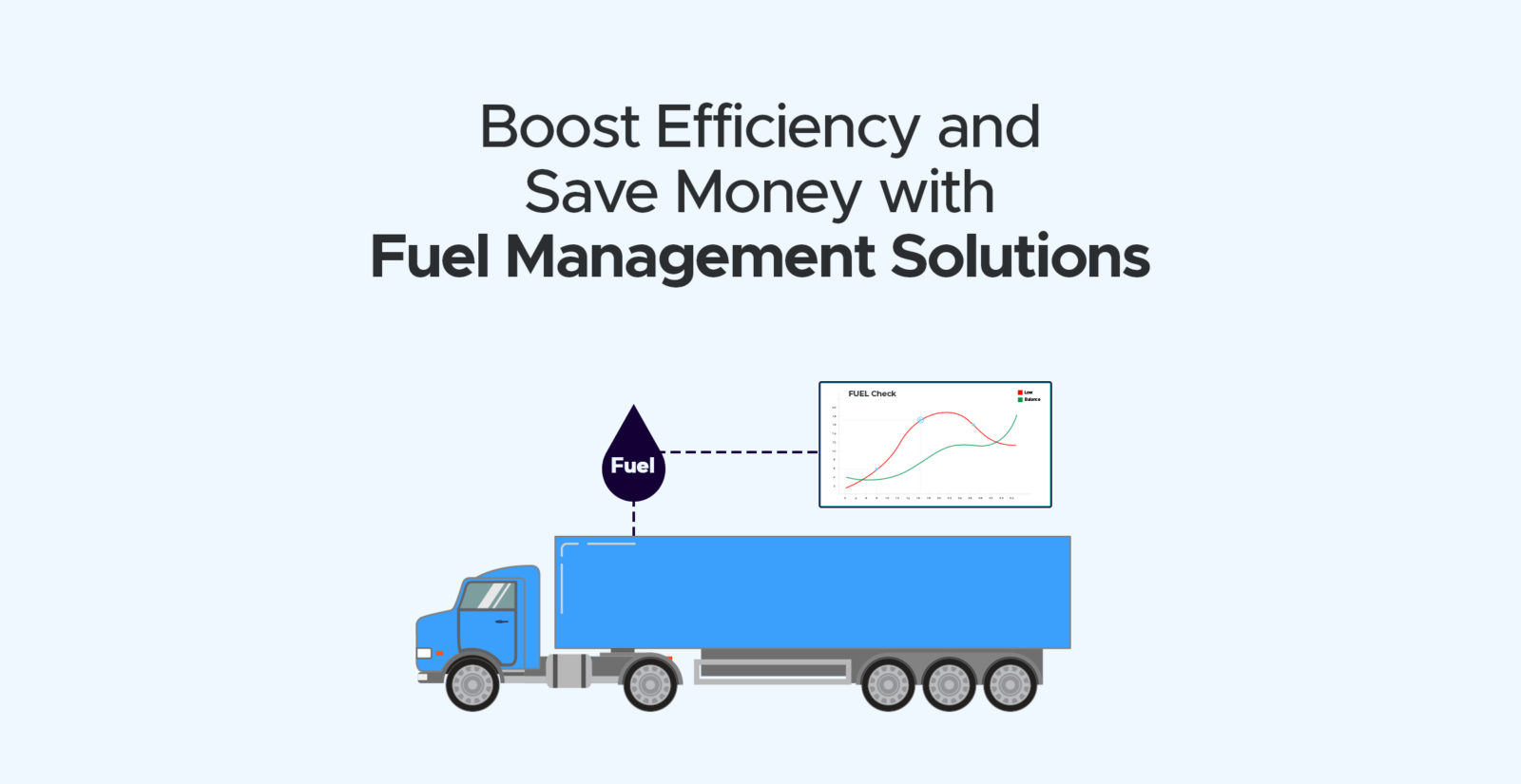
Real-time fuel monitoring using in-tank sensors gives you actual fuel level and consumption data, not an estimate based on odometer readings. This is what catches sudden drops that usually mean theft or a leak, not just gradual consumption trends.
Telematics integration ties fuel data to GPS and route data, so you’re not looking at fuel and location as two separate reports, you can see exactly which routes, which drivers, and which driving patterns are burning more fuel than they should.
Driver behaviour and training matter more than most fleets expect. Aggressive driving, hard acceleration, harsh braking, and excessive speeding measurably increase fuel burn per event. Pairing the data with actual coaching, not just a report nobody reads, is what turns the number into savings.
Maintenance scheduling based on real usage rather than a calendar reminder catches the kind of engine and tyre issues that quietly increase fuel consumption long before they cause a breakdown.
Automated reporting is the feature that makes everything else usable. Raw fuel and route data is useless if a manager has to manually cross-reference it every week, the value is in a report that already tells you which vehicle, which driver, which route needs attention.
Choosing and Rolling Out a System
Before committing to a system, check three things: whether it integrates with the fleet management or GPS platform you’re already running, whether it can scale as your fleet grows without needing a full switch later, and whether your team can actually use it without a steep learning curve. A powerful system nobody on your team touches is worse than a simple one everyone actually opens.
Installation quality matters more than it sounds like it should, a poorly fitted fuel sensor gives unreliable readings and undermines trust in the whole system before it’s had a chance to prove itself. Pair that with proper training so staff know how to read the reports, not just that the reports exist.
If you’re already using GPS tracking for your fleet, fuel monitoring is usually the more natural next step than people expect, most of the same hardware and platform can support both. We’ve covered the GPS side of this in more detail in our guide on GPS for fleet management, and on the safety side, dashcams work well alongside fuel and driver behaviour monitoring since aggressive driving shows up in both more on that in our guide to dashcams for fleets.
Common Objections, and What Actually Addresses Them
The upfront cost is the first thing that comes up, and it’s a fair concern but most fleets recover the cost through fuel savings alone within the first several months, and the ongoing savings continue well after that. Starting with a pilot on a handful of vehicles rather than the whole fleet at once makes the decision lower-risk and easier to justify internally.
Driver resistance is the second common issue. Nobody enjoys being monitored, and framing it purely as surveillance guarantees pushback. What tends to work better is being upfront that the same data that catches waste also protects good drivers from false fuel-theft accusations and from being blamed for a vehicle issue that was actually a maintenance gap. Incentivising efficient driving, rather than only flagging bad driving, also goes a long way toward buy-in.
If fuel is quietly eating into your margins, Aditi Tracking’s fuel monitoring solutions integrate directly with GPS tracking to show you exactly where it’s going. Book a free demo to see it on your own fleet data.
FAQs
How much can fuel management actually save a fleet?
Most fleets see 10–15% in fuel savings within the first year from route optimisation and reduced idling alone. Fleets with significant existing waste, poor routing, high idle time, and unmonitored driving often see more.
Do I need GPS tracking to use fuel management, or can it work on its own?
Fuel sensors can technically work independently, but the value multiplies when fuel data is tied to GPS and route data, that lets you actually see where the waste is happening, not just that it’s happening.
How long does it take to see a return on a fuel management system?
Most fleets recover the setup cost within a few months through fuel savings alone, with the ongoing monthly savings continuing well beyond that.
Will drivers try to work around fuel monitoring sensors?
It happens if the rollout is handled badly. Proper installation makes tampering difficult and detectable, and being transparent with drivers about why the system exists and that it protects them too, reduces the incentive to fight it in the first place.



 Smart Fleet
 Cool Bus
 Clicktask
 CommutePulse
 Wastetrail