
On paper, employee transport looks like a solved problem. Vehicles are assigned, routes are planned, drivers show up, employees reach office. Simple enough.
In practice, the operations manager handling corporate commute for a 500-person company is dealing with something closer to a daily puzzle. Shift changes land at 11 PM. An employee cancels a pickup at 6 AM. Three new joiners need to be added to routes that are already at capacity. A driver calls in sick 45 minutes before the morning run. And the HR team wants a report on transport utilisation by the end of week.
None of this is unusual. It is Tuesday.
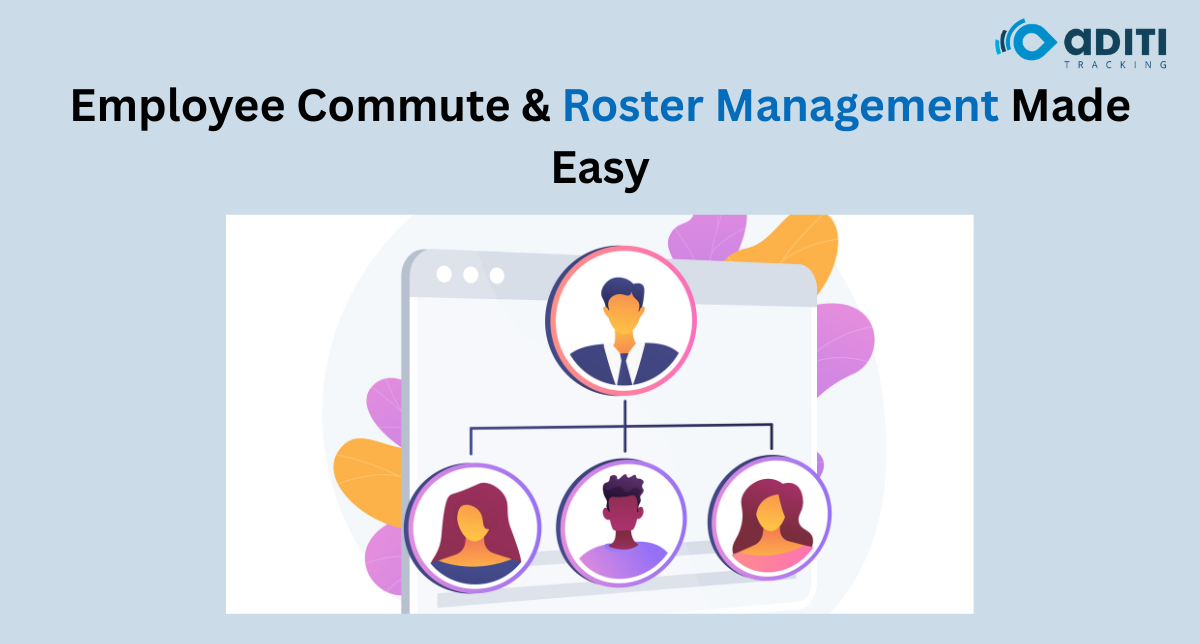
Employee roster management sits at the centre of this problem and it is where most corporate transport operations are the least organised. The roster is usually a spreadsheet. Sometimes a WhatsApp group. Occasionally a printed sheet taped to the transport coordinator’s desk. And when the roster is wrong, everything downstream of it, vehicle allocation, route planning, driver briefing, cost reporting, goes wrong too.
Why Is The Roster Where Transport Breaks Down?
Transport planning works backwards from one input: who needs to go where and when. Get that input right and everything else is manageable. Get it wrong and you are solving a different problem every single morning.
The roster problem in most Indian corporate setups is not that companies do not track attendance. Most do. The problem is that the attendance system, the transport system, and the HR system are three separate things that do not talk to each other. An employee marked himself present in the attendance tool at 9 AM, but nobody told the transport coordinator he was supposed to be on the 7:30 AM pickup. The vehicle went without him. He took an Ola. The transport cost was incurred regardless.
This disconnect between roster data and transport execution is where waste accumulates quietly, trip after trip, month after month.
What Automated Roster Management Actually Changes
When employee roster management is integrated with the transport system, the sequence changes fundamentally.
An employee confirms or cancels their pickup through an app the evening before. The system updates the next day’s roster automatically. Vehicle allocation adjusts based on confirmed headcount. The driver receives an updated route with the correct pickup sequence. The operations team sees the finalised plan before they go to sleep.
No manual reconciliation. No morning panic. No vehicle running a 30-kilometre route to pick up two employees when six cancelled the night before.
The savings from this alone are material. A vehicle running at 30% capacity because the roster was not updated is not a transport problem. It is a data problem with a transport cost attached.
The Shift Timing Complexity That Most Systems Handle Poorly
Corporate transport is not a fixed-time operation. Manufacturing plants, IT companies, BPOs, and hospitals run multiple shifts. Some employees work 9 to 6. Others run midnight to 8 AM. A third group covers rotating shifts that change week to week.
Managing this manually means the transport coordinator is rebuilding routes every time a shift pattern changes. A change that affects eight employees can cascade into changes across three routes, two vehicles, and four driver briefings.
Automated roster management handles this by treating shift data as a live input rather than a static schedule. When an employee’s shift changes in the HR system, the transport system reflects it. Routes are rebuilt automatically. Vehicles are reallocated based on the new pickup and drop sequence. The coordinator reviews, approves, and moves on.
What used to take two hours of morning coordination takes fifteen minutes.
Transport Cost Visibility: The Report Nobody Currently Has
Here is a question worth asking your transport coordinator right now: what did employee commute cost per head last month?
Most cannot answer it. Not because the data does not exist, but because it exists in fragments. Fuel bills here. Driver payments there. Vehicle lease costs in a different sheet. And none of it mapped against the number of actual employee trips taken.
When employee roster management is connected to transport automation, this report generates itself. Cost per trip. Cost per employee per month. Utilisation rate per vehicle. Idle trips where vehicles ran with fewer than three employees. Routes that consistently run over budget versus those that are efficient.
This data changes procurement conversations with transport vendors. It changes the case for adding or removing vehicles from the fleet. It changes how HR thinks about the transport benefit as part of the CTC structure.
Right now, most companies are spending on corporate transport without being able to answer basic questions about whether they are spending it well.
Safety And Compliance In Employee Transport
The regulatory environment around employee transport in India has tightened over the last several years, particularly for companies operating late-night or early-morning shifts for women employees. The requirements vary by state but the direction is consistent: documented routes, verified driver credentials, live tracking available to the employee, and an emergency contact mechanism.
Manual roster management makes compliance documentation retroactive. Something happens, you reconstruct the records. Automated systems make it proactive. The route is documented before the vehicle moves. The employee receives the driver’s details on their app before pickup. Live location is accessible throughout the trip. The emergency button is a tap away.
This is not just a regulatory requirement. It is the kind of system that prevents incidents from becoming crises.
Where Most Corporate Transport Setups Are Right Now
Honestly? Behind where they should be.
Most mid-to-large companies in India have invested in attendance systems, payroll systems, HRMS platforms, and sometimes even expense management tools. Employee transport, which is often one of the top five employee benefit costs, frequently runs on a combination of vendor calls, coordinator WhatsApps, and end-of-month invoice reconciliation.
The gap between what is available and what is being used is wide. And the companies that have closed that gap report the same outcomes consistently: lower per-trip costs, fewer coordination hours, better compliance documentation, and employees who trust the transport system enough to actually use it.
That last one matters more than it sounds. An employee who does not trust the pickup schedule books their own cab. The company pays the transport cost anyway and the employee absorbs an additional expense. Reliable employee roster management and automated scheduling remove the reason to opt out.
Bring Your Employee Transport Operations Under One System
Manual coordination may work when employee numbers and shift patterns are limited. As operations grow, however, spreadsheets, calls, and last-minute messages create avoidable gaps in routing, vehicle utilisation, reporting, and employee safety.
Aditi Tracking’s CommutePulse platform brings employee roster management, automated route planning, live vehicle tracking, and employee communication into one connected system. It helps transport teams respond faster to shift changes, reduce unnecessary trips, improve fleet utilisation, and maintain clearer records across every commute.
Instead of rebuilding routes each morning or reconciling fragmented data at the end of the month, your team gains a more organised view of who is travelling, which vehicle is assigned, how each route is performing, and where operational costs can be controlled.
If your employee transport operation still depends on spreadsheets, WhatsApp updates, and repeated manual follow-ups, the inefficiency is already costing more than coordination time.
Book a demo with the Aditi Tracking team and see how CommutePulse can streamline commute planning, improve employee satisfaction, and optimize transport performance.
FAQs
1. What is employee roster management in corporate transport?
Employee roster management is the process of organising employee shift schedules, pickup requirements, and transport assignments. When integrated with transport automation, it helps companies plan routes efficiently, reduce manual work, and ensure employees are assigned to the correct vehicles.
2. How does employee roster management improve transport efficiency?
By automatically updating employee schedules and transport requirements, employee roster management reduces empty seats, minimises route changes, improves vehicle utilisation, and helps transport coordinators respond quickly to shift changes or last-minute cancellations.
3. Can employee roster management be integrated with HR and attendance systems?
Yes. Modern employee roster management solutions can integrate with HRMS, attendance, and shift management systems to automatically synchronise employee schedules, reducing manual data entry and improving transport planning accuracy.
4. What are the benefits of automating employee transport operations?
Transport automation can optimize routes, reduce operational costs, improve vehicle utilisation, simplify shift-based scheduling, enhance employee communication, and provide real-time tracking and reporting for better decision-making.
5. Which businesses benefit most from employee roster management software?
Businesses with shift-based operations, including IT companies, BPOs, manufacturing facilities, healthcare organisations, and large corporate offices, can benefit significantly from employee roster management by improving transport planning, employee safety, and overall operational efficiency.



 Smart Fleet
 Cool Bus
 Clicktask
 CommutePulse
 Wastetrail